


Welcome to the Mars Edge Cocoa Flavanol Science Hub
Uncover the benefits of flavanols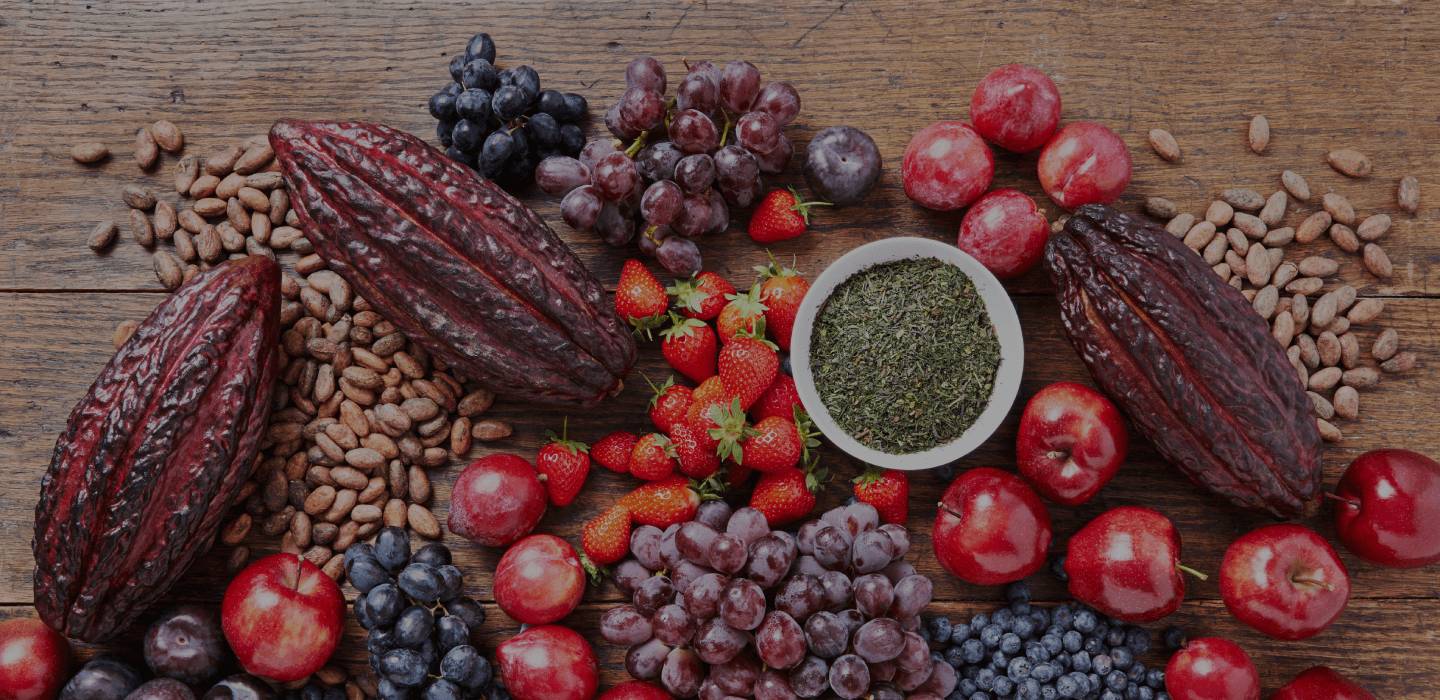
Our Vision
At Mars Edge, we collaborate with a global network of leading scientific partners to further research into cocoa flavanols and health – and contribute to better lives through nutrition. We do so because we believe that:

Health is more than the absence of disease
We believe it’s important to establish biomarkers of health when assessing the impact of nutrition, rather than rely solely on a definition of health based on the "absence of disease."

Nutrition has a massive impact on health
We believe insights into the role of dietary status and nutrient intake are key to our health, giving a deeper understanding of how specific bioactives interact with our physiology to support long-term health.

Bioactives show huge promise
In the context of a healthy diet, we believe there is a need to broaden today’s essential nutrient-centric approach and include bioactive food constituents in scientific assessment and, if warranted, in recommendations for diet and health.

Cocoa flavanols offer benefits for heart and brain health
Research shows dietary flavanols–including those derived from cocoa–offer important benefits to human health. For over 20 years, we have been studying cocoa flavanols to understand their role in supporting health and, potentially even improving outcomes related to certain diseases.

Recommended Reads
Interested in learning more about our cocoa flavanol research program? Check out the latest news and research.
Nutrition biomarker analysis of COSMOS reveals novel approaches to improve the impact of randomized controlled trials in nutrition
Randomized Controlled Trials in nutrition (RCTN) are considered the gold standard for investigating the effects of diets and specific dietary compounds on human health.
However, RCTNs face unique challenges that are often overlooked. Different from randomized controlled trials testing drugs, RCTN are influenced by the background diet of participants and the challenge of assuring participants’ adherence to the dietary intervention under investigation.

An Interview with Dr. Javier Ottaviani on the importance of biomarkers when undertaking and interpreting nutrition research
Dr. Javier Ottaviani, Director of the Mars Edge Core Laboratory, talks to Joanne Tehrani, registered dietitian and a member of the Corporate Affairs team at Mars Food & Nutrition, about his latest paper. He and collaborators at the University of Reading have investigated the limitations of food composition databases and self-reporting in nutrition research.

Apples or pears? Unpacking which foods are rich in flavanols
By now, most of us have heard that increasing the amount of flavanols in one’s diet is good for one’s health. Recent research has shown that a diet rich in flavanols supports memory and cognition, and there’s a considerable body of evidence from clinical dietary intervention trials showing their benefits to heart health.
But the question is how much of which particular foods should one eat in order to increase your daily intake? To answer that question, we must first understand what flavanols are.

A deep-dive into smoothies: flavanol powerhouses?
Smoothies have become a popular way to increase the amount of flavanols in one’s diet. Dr Javier Ottaviani discusses the recent research from the Mars Edge Core Laboratory showing that combinations of ingredients in homemade smoothies can affect the flavanols available.